
Twenty-two years building bingo platforms, payments rails, and PlayWise integrations taught me to read RNG logs the way tradies read wiring diagrams. When the pokies loose machine myth shows up at the bar or on a phone screen at the tram stop, I treat it like an untested build sitting in the queue – reckon it has nothing to do with which pub the cabinet lives in. The demo version on lebanditdemoau.com gives a clean, no-wallet way to test the same games your local RSL or pub club runs on its terminals.
How the Loose Myth Travels from Pub Floor to Phone Screen
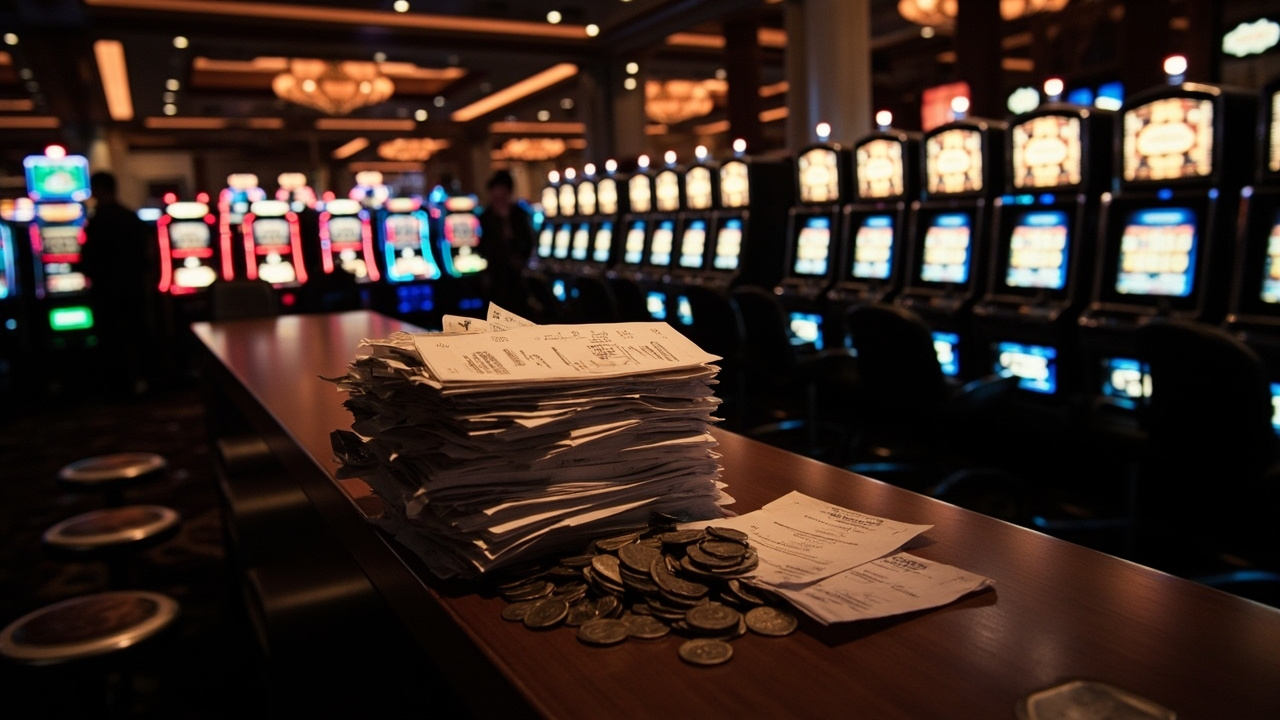
The myth itself is older than most of the terminals running it. A ‘loose’ machine, the legend goes, pays out more often because it has been warmed up, played enough, or quietly nudged into a generous mode by staff. That story survives partly because nobody can disprove it with a single session – and partly because nobody wants to. From a payments and DevOps vantage, what I see is a server pushing identical RTP figures to every client, phone included, plus an audit log that doesn’t care which tram stop you tapped Spin from.
The mobile encounter strips the romance away faster than the floor version. On a phone in a Southbank café, you hold the reels half a metre away and the cabinet’s mood lighting can’t reach you – no neighbour’s screen to glance at either. You’re left with a spin button, balance ticker, session timer, and the small print under the help menu. That small print is doing all the work the myth used to do, and it’s been doing it since Aristocrat wired Lightning Link progressives across linked cabinets. The branded experience travels; the loose-machine folklore doesn’t survive the trip intact.
What a Mobile Pokies Session Actually Feels Like
Opening a Mobile Session
The first ninety seconds of any new mobile pokies client reveal whether the operator built for thumbs or for desktop with a CSS pass. Here’s the walkthrough I run:
- Open the app or browser; let it cache, reopen to test reload on a real signal.
- Tap the help screen for RTP and audit date – those numbers do the debunking the floor myth did.
- Find the session deposit limit; if it’s three menus deep, harm-minimisation is a checkbox.
- Test the nav one-handed – if the back button hides under your palm, it’s not mobile-first.
- Pick a stake that matches your session budget, not the screen size.
The Spinning Loop on a Phone Screen
The play loop on mobile is closer to a metronome than to a casino floor. Tap spin, reels resolve in a fixed animation length, balance updates, session timer ticks. No cash cup, no neighbour’s reaction, no quiet cabinet near the door – just pure interface and pure expectation. That’s where the expected-utility logic of gambling lives: players keep spinning because the next spin could be the big one, not because the last three were close, even though most realise the house edge never blinks. Aristocrat’s Lightning Link made that tension visible by linking jackpot tiers across cabinets – and that’s defo enough to keep the loose-machine legend alive in spirit.
Reading the Maths Without the Mood Lighting
American roulette carries a five-number bet at roughly 7.9% house edge – the worst single wager on the felt, and a useful reminder that some bets are genuinely looser than others. Even so, every wager is fixed at the table level, not the player level. Blake Nelson, Senior Market Analyst at Flinders Interactive Group, told me clean and simple: “Players chase a memory of a hot cabinet, but the cabinet itself is running math on its own published paytable. Mobile strips that away because there’s no mood lighting to argue with.” The cabinet past Crown Melbourne on a Tuesday arvo might show different behaviour, but it isn’t running different maths – the published paytable doesn’t care who’s watching, who’s counting, or how busy the floor feels.
Is the Myth Worth Believing on Mobile? A Player-Fit Reading
The mobile build strips the cues the claim relies on. Crown Melbourne on a Friday night, half the convincing comes from the floor – the lighting, the queue, the stranger two cabinets down hitting two bonuses. On a phone, that environment is gone, and what you’re left with is a published paytable, an audited RTP, a session timer, and a balance ticker that doesn’t lie about your last hour.
For a five-minute arvo distraction, a mobile session through a clean lobby is the closest thing to a controlled experiment the format offers. Bet sizes scale to your budget, the help screen is one tap away, and the maths file doesn’t change because you switched from Brunswick Street 4G to home Wi-Fi. For anyone weighing whether to commit a real deposit, no-deposit pokie testing runs the same maths file under a bonus balance – same RTP, same volatility, different label on the stake. Mia Parker, Commercial Director at Swan River Interactive, cuts through with: “We don’t play favourites across cabinets or mobile builds. The maths file is the maths file. Players chasing a hot-device memory are chasing variance they had no licence to claim as a pattern.”

The myth dies because the phone won’t let the room do the convincing. Strip the cabinet, strip the carpet, strip the cues the floor relies on, and the claim doesn’t pick up new weight, just loses old context. A clean mobile session doesn’t promise a win, no worries, and it favours honest maths over a memory you’re chasing. That’s the kind of transparency a five-minute arvo spin on the tram tends to reward.


Recent Comments